The Digital Revolution: How Gen Z Protests Toppled a Government and Redefined Nepal’s Political Landscape
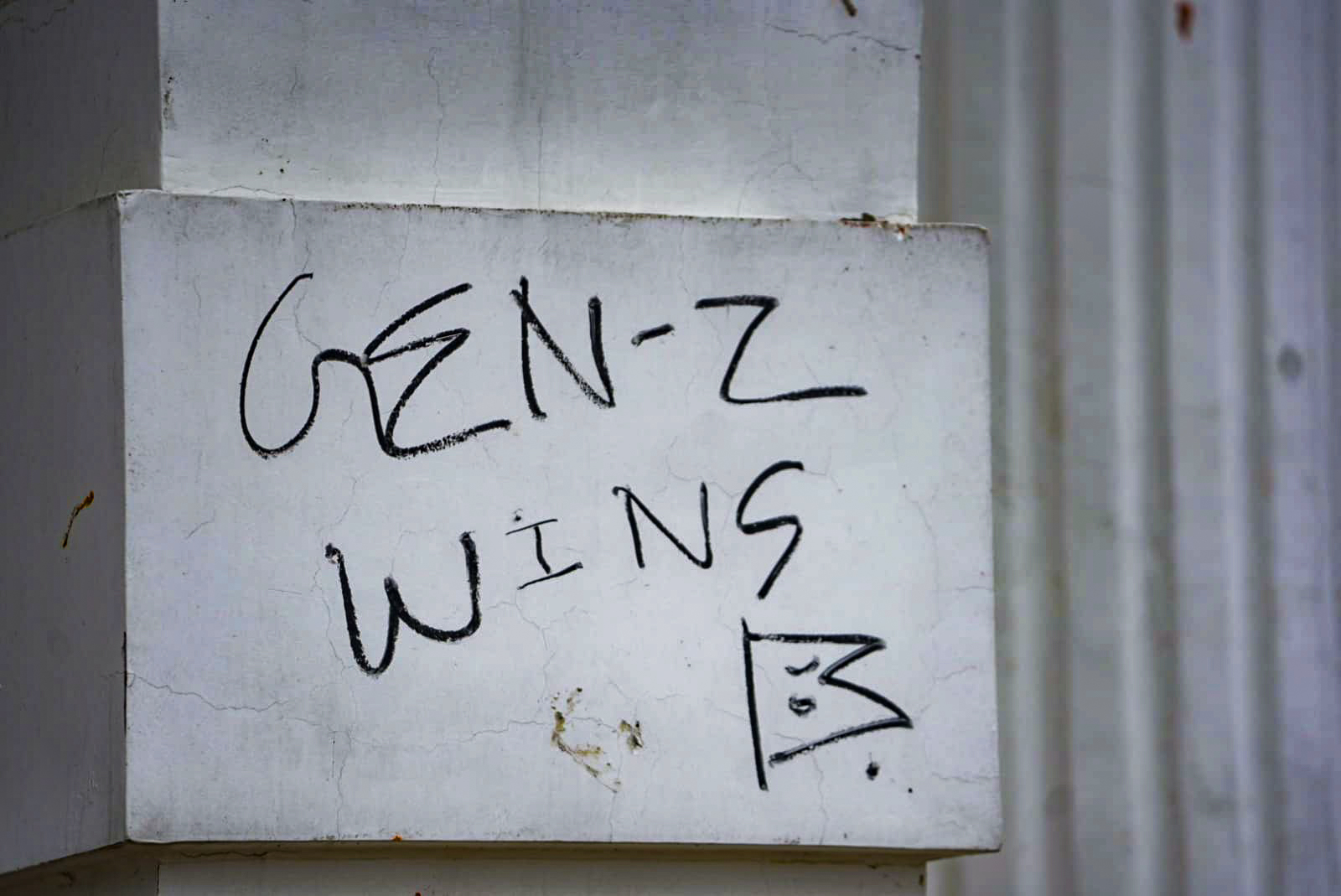
KATHMANDU, Nepal – In a seismic shift that has rewritten the rules of political engagement, a powerful, youth-led movement has swept across Nepal, culminating in the resignation of Prime Minister K.P. Sharma Oli and the formation of a new, interim government. What began as a protest against a controversial social media ban quickly spiraled into a full-scale “Gen Z uprising,” fueled by a generation tired of systemic corruption, political stagnation, and a ruling elite perceived as out of touch and arrogant.

The movement’s catalyst was a government order on September 4, 2025, which mandated the shutdown of over two dozen social media platforms, including Facebook, YouTube, and X, for failing to register under new rules. This decision wasn’t just about a technicality; it was an attempt to silence a digitally-native generation that had found a powerful voice online. The ban, however, had the opposite effect. It ignited a firestorm of outrage, with young Nepalis taking to the streets, not just to demand the restoration of their digital rights, but to voice deeper-seated frustrations.
This was no ordinary protest. Organized almost entirely through decentralized online channels like Discord and encrypted messaging apps, the movement lacked a traditional leader. Its strength lay in its spontaneity and its ability to mobilize tens of thousands of people in a matter of hours. The protesters, many of whom were students and young professionals, carried placards with sharp, witty slogans that resonated across social media. They also employed a unique visual symbol: the Jolly Roger flag from the manga series One Piece, a powerful metaphor for rebellion against an oppressive system.
The protests quickly escalated. What started as peaceful rallies turned into violent confrontations with security forces, resulting in the tragic deaths of dozens and injuries to hundreds. The public’s anger intensified as reports emerged of police using live ammunition on protesters. The turning point came when key government buildings, including parts of Singha Durbar (the main administrative complex) and the Prime Minister’s office, were set ablaze. Faced with a complete breakdown of law and order, and with the support of the public and key international allies waning, Prime Minister Oli resigned on September 9.
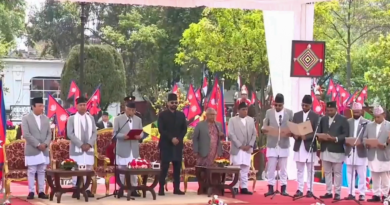
His resignation paved the way for the appointment of Sushila Karki, a respected former Chief Justice, as the interim Prime Minister. Her primary mandate is to restore stability and hold new parliamentary elections by March 2026. The new government is also tasked with investigating the violence and addressing the root causes of the protests. This historic moment has sent a clear message to Nepal’s political establishment: the country’s youth are no longer passive bystanders. They are a force to be reckoned with, capable of using digital tools to bring about real-world change. The success of this movement will likely serve as a blueprint for similar uprisings in the region, where disillusioned youth are seeking to hold their governments accountable.