How to Scale Mount Everest from Nepal: A Comprehensive Guide
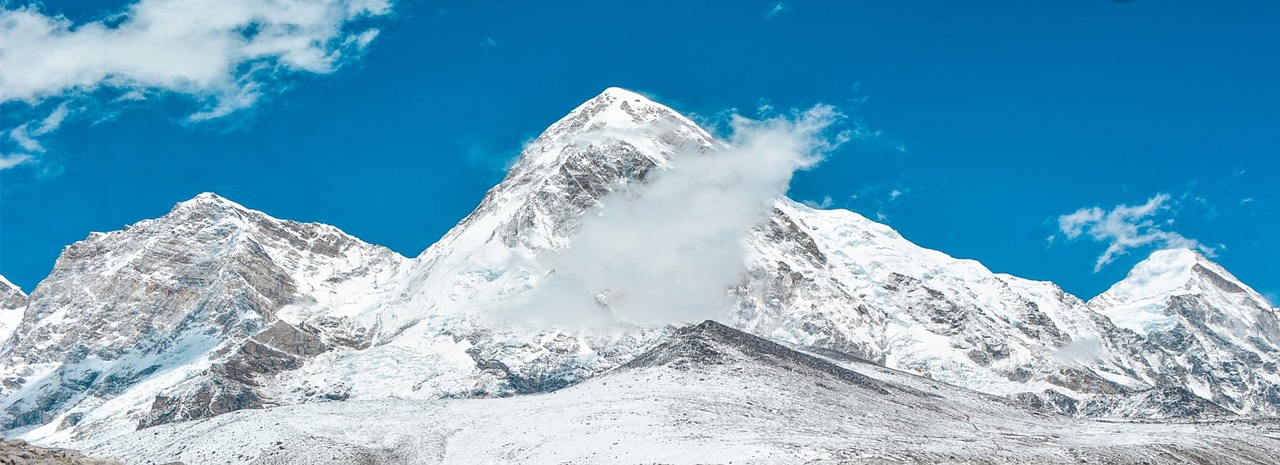
Scaling Mount Everest is a once-in-a-lifetime goal for many mountaineers, and the South Col Route from Nepal is one of the most popular paths to the summit. With an altitude of 8,848 meters (29,029 feet), Everest is the highest peak on Earth, drawing climbers from around the world. Reaching the top, however, requires extensive preparation, determination, and a solid strategy.

In this guide, we’ll walk through the essentials of climbing Everest from Nepal, covering everything from the best climbing season to gear essentials and acclimatization. Let’s dive in!
Overview of Climbing Mount Everest from Nepal (South Col Route)
The South Col Route, originating from Nepal, is the most widely used path to Everest’s summit. First pioneered by Sir Edmund Hillary and Tenzing Norgay in 1953, this route begins in the town of Lukla, accessible via a short flight from Kathmandu. Known for its more established infrastructure and strong Sherpa support, this path is popular among climbers and is considered safer than the North Col Route from Tibet.
Best Time to Climb Mount Everest
The prime climbing season for Mount Everest is during the pre-monsoon months (April to early June). A smaller number of climbers attempt to ascend during the post-monsoon season (late September to November) due to colder conditions and shorter weather windows.
Key Seasonal Differences
- Pre-Monsoon (Spring): Generally warmer temperatures and more favorable weather conditions.
- Post-Monsoon (Fall): Colder temperatures and shorter climbing windows but clearer skies.
Essential Preparations for Climbing Mount Everest
Physical Conditioning
Climbing Mount Everest is a highly strenuous endeavor that requires peak physical conditioning. Essential training elements include:
- Endurance Training: Include long-distance running, hiking, and cycling to build stamina.
- Strength Training: Focus on leg, core, and upper body strength to manage climbing demands at high altitudes.
- High-Altitude Training: Practice acclimatization with high-altitude hikes or use hypoxic tents to simulate low-oxygen environments.
Mental Preparation
Mental resilience is just as important as physical fitness. Practicing meditation, breathing techniques, and other forms of mental training can help with psychological challenges such as isolation, fear, and exhaustion.
Technical Skills
Climbing Mount Everest doesn’t require elite climbing skills, but a good command of basic mountaineering techniques is crucial. Skills should include:
- Use of crampons and ice axes
- Familiarity with rappelling and fixed ropes
- Crevasse rescue methods
Acclimatization Plan
Acclimatization is vital for preventing altitude sickness, which can be fatal at high elevations. Most climbers spend several weeks gradually acclimating to Everest’s altitude.
Choosing a Guide or Expedition Team
Selecting a reputable guide or expedition team is a critical step. Key considerations include:
- Experience of the Guide: Opt for experienced guides with a strong track record on Everest.
- Support Services: Ensure the package includes oxygen, high-quality food, and Sherpa assistance.
- Group Size: Smaller groups often receive more personalized support.
Guided climbs vary widely in cost, ranging from $30,000 to over $100,000 per person depending on the level of support and luxury.
Gear and Equipment Essentials
Proper equipment is essential to surviving the challenging conditions on Everest. Key items include:
- Climbing Gear: Crampons, ice axe, harness, carabiners, helmet, ascenders, and descenders.
- Clothing: Layered clothing system, including a moisture-wicking base layer, an insulation layer, and a weatherproof outer shell. High-altitude boots, gloves, and face protection are essential.
- Oxygen System: Supplemental oxygen is necessary above 7,000 meters. Typically, climbers carry 4–5 bottles to support their summit push.
- Sleeping Gear: High-altitude sleeping bag rated for -30°C or lower and an insulated sleeping pad.
- Miscellaneous Items: First aid supplies, high-calorie snacks, water purification, trekking poles, and glacier sunglasses.
Sample Climbing Itinerary for Mount Everest
The South Col Route follows a structured climbing schedule, designed to maximize acclimatization and minimize risks. Here’s an example itinerary:
Days 1–2: Arrive in Kathmandu
Handle permit paperwork, finalize logistics, and prepare for the flight to Lukla.
Day 3: Fly to Lukla (2,860m)
The 40-minute flight from Kathmandu to Lukla marks the beginning of the trek toward Everest Base Camp (EBC).
Days 4–11: Trek to Everest Base Camp (5,364m)
The trek from Lukla to EBC typically takes around a week, passing through villages such as Namche Bazaar and Dingboche, which provide acclimatization opportunities.
Days 12–14: Acclimatization at Everest Base Camp
Climbers spend time acclimatizing and practicing on the Khumbu Icefall, which requires technical navigation.
Days 15–20: Climb to Camp I (6,065m)
Reaching Camp I involves a risky ascent through the Khumbu Icefall, known for its deep crevasses and shifting ice blocks.
Days 21–25: Camp II (6,400m)
Camp II, located in the Western Cwm, provides a base for higher acclimatization before moving up the mountain.
Days 26–30: Camp III (7,200m)
The climb to Camp III involves scaling the steep Lhotse Face, a challenging ice wall that tests climbers’ endurance and skills.
Days 31–35: Camp IV (7,920m) – South Col
Camp IV marks the start of the “Death Zone,” where oxygen levels are critically low.
Days 36–40: Summit Push (8,848m)
The summit push begins around midnight to allow climbers to reach the summit early in the day. The final stretch includes the Hillary Step, a technical rock face near the summit.
Descent (Days 41–50)
After summiting, climbers quickly descend to lower altitudes, spending limited time at each camp to conserve energy and oxygen.
Risks and Challenges of Climbing Mount Everest
Mount Everest poses several hazards:
- Altitude Sickness: Acute mountain sickness (AMS), high-altitude pulmonary edema (HAPE), and high-altitude cerebral edema (HACE) can be fatal if untreated.
- Weather: Rapidly changing conditions can lead to whiteouts, freezing temperatures, and dangerous storms.
- Avalanches and Icefall Hazards: The Khumbu Icefall is particularly notorious for its crevasses and seracs.
- Exhaustion: Physical exhaustion can impair decision-making, leading to accidents.
Permits and Regulations for Climbing Mount Everest
The Nepalese government requires permits to climb Mount Everest:
- Climbing Permit: Typically costs around $11,000.
- Sagarmatha National Park Entry Permit: Required for all climbers in the region.
- Liaison Officer Fee: Covers the cost of a liaison officer who monitors expeditions.
Most tour companies handle permit applications on behalf of their clients, but independent climbers should prepare well in advance to secure all necessary documentation.
Environmental and Ethical Considerations
Due to high traffic and waste, climbers must adhere to strict environmental guidelines:
- Leave No Trace: Ensure all waste, including personal waste, is carried back down the mountain.
- Respect Local Culture: Be mindful of the customs and beliefs of the Sherpa community.
- Avoid Littering: Practice responsible waste disposal and minimize plastic use.
Cost Breakdown for Climbing Mount Everest
The cost of climbing Everest varies widely based on the support level and equipment quality. Here’s an average breakdown:
- Permits: $11,000 for the climbing permit
- Guiding Services: Between $30,000 and $100,000
- Oxygen: $500–$600 per bottle (4–5 bottles recommended)
- Equipment: Approximately $10,000 for high-quality gear
- Additional Costs: Includes flights, insurance, food, and emergency rescue expenses
Recovery After Climbing Mount Everest
After reaching the summit, most climbers experience significant physical and mental fatigue. Recovery should include:
- Physical Rehabilitation: Gradual reconditioning to address fatigue, muscle loss, and frostbite (if applicable).
- Mental Decompression: Time to mentally process the experience and unwind is crucial, as post-climb depression can be common.
Scaling Mount Everest from Nepal is a journey filled with adventure, personal growth, and immense physical and mental challenges. With proper planning, rigorous training, and respect for both the mountain and local culture, climbers can safely strive for the summit. Whether you reach the peak or not, the experience of Everest is one of life’s greatest rewards.