Justice at the Helm: How Sushila Karki Navigated Nepal’s Historic Transition
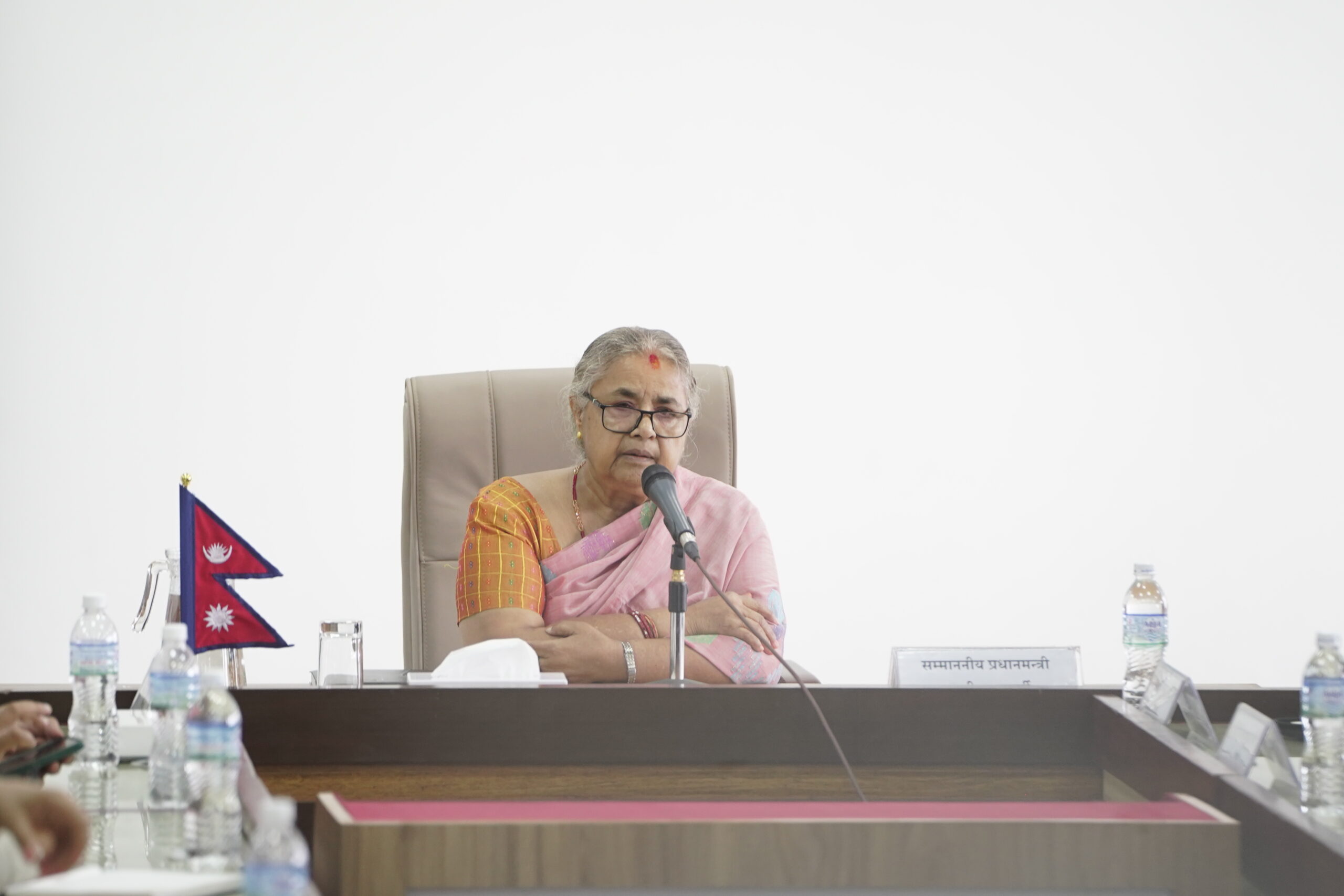
KATHMANDU — In a political landscape often defined by its turbulence, the rise of Sushila Karki to the role of Interim Prime Minister stands as a landmark moment in Nepal’s democratic journey. Today, as the nation heads to the polls for the 2026 General Election, Karki’s stewardship is being hailed as the steady hand that pulled the country back from the brink of chaos.

The Rise: From the Bench to the Balcony
Karki’s ascent was anything but traditional. Already a household name as Nepal’s first female Chief Justice (2016–2017), she was known for her “iron-willed” independence and high-profile crusades against corruption. However, her return to the national stage in September 2025 was fueled by an unlikely source: Generation Z.
Following a massive youth-led uprising against systemic corruption and the resignation of the previous administration, Karki was remarkably “elected” via a public straw poll on the messaging platform Discord. Thousands of young protesters chose her for her reputation of integrity, forcing the political establishment to accept her as the head of a transitional government.
The Strategic Landing: Success at the Polls
Tasked with the singular mandate of holding free and fair elections within six months, Karki faced a skeptical “old guard” and an impatient youth movement. Her success in “landing” the March 2026 elections can be attributed to three key factors:
-
Judicial Impartiality: By appointing a cabinet of non-partisan experts and reformist figures, she shielded the electoral process from the usual accusations of “booth capturing” and state-sponsored rigging.
-
Technological Transparency: Under her guidance, the Election Commission introduced digital tracking and real-time reporting measures that significantly lowered the risk of voter fraud, a primary demand of the youth protesters.
-
Security & Stability: Karki successfully brokered a “stability pact” between the Nepalese Army and various political factions, ensuring that the transition back to a fully elected civilian government remained peaceful.
A Legacy of Firsts
As Karki cast her own vote this morning, she cemented her place in history not just as the first woman to lead a government in Nepal, but as the first leader to successfully bridge the gap between a digital-age revolution and constitutional law.
“We have fulfilled our responsibility to the next generation,” Karki stated after voting. “The future of Nepal is now back in the hands of its people.”