
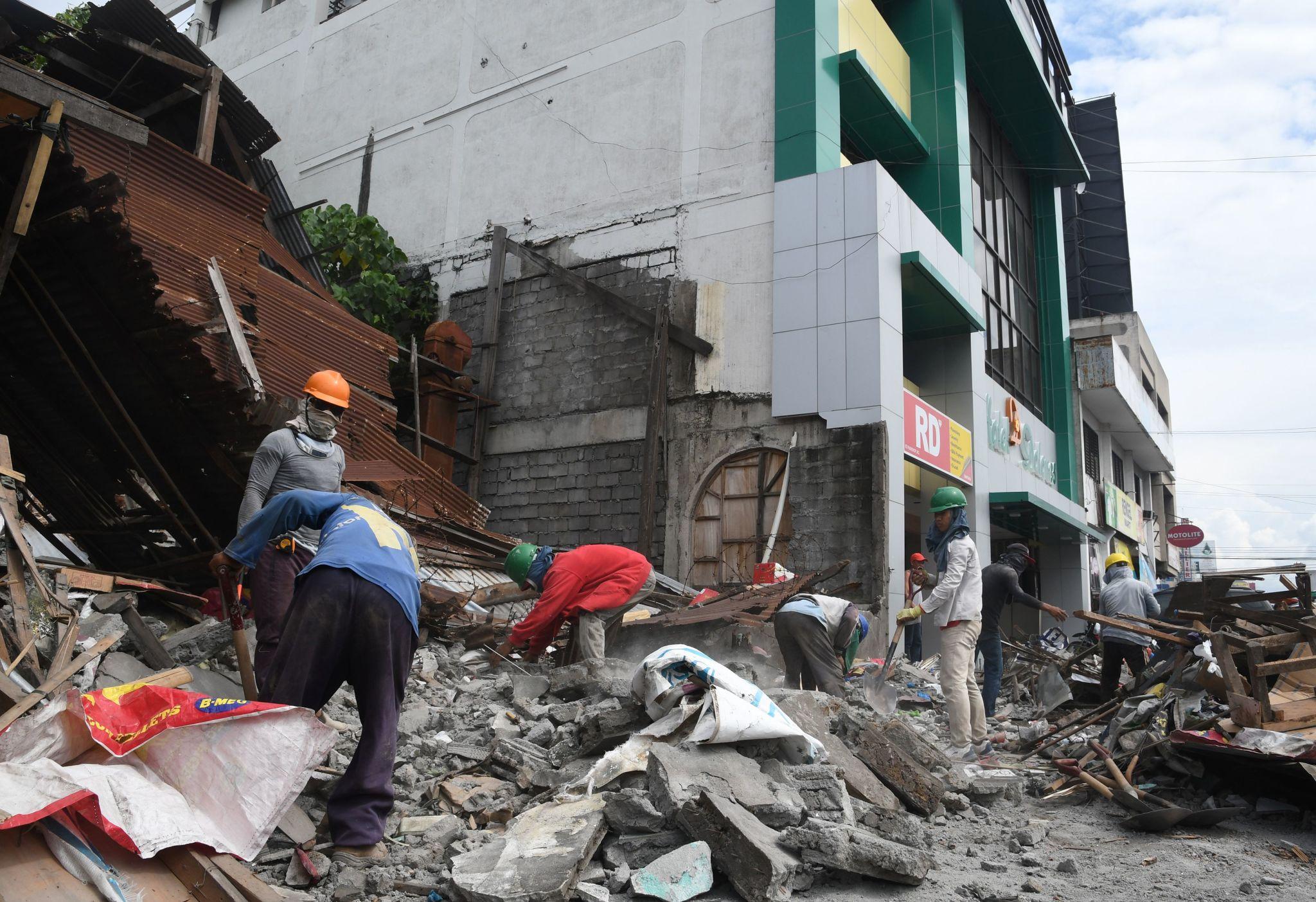
Earthquake Shakes Southern Philippines, Tsunami Alert Issued
Manila, June 8, 2026

A powerful magnitude 7.8 earthquake struck the southern Philippines on Monday morning, causing widespread destruction, multiple casualties, and triggering tsunami warnings across parts of Southeast Asia. The disaster has once again highlighted the vulnerability of the Philippines to major seismic events due to its location along the Pacific Ring of Fire.
According to Philippine authorities, the earthquake’s epicenter was located off the coast of Mindanao near Sarangani Province, with strong tremors felt across several southern provinces and neighboring countries. Initial reports indicate that at least 19 people have lost their lives, while more than 130 others have been injured. Rescue teams continue to search for missing individuals trapped beneath collapsed structures.
The earthquake caused significant damage in General Santos City and surrounding communities, where buildings, schools, commercial centers, and public infrastructure suffered extensive structural damage. Videos circulating on social media showed portions of buildings collapsing as residents rushed to safety. Power outages and communication disruptions were reported in several affected areas.
Authorities immediately issued tsunami warnings for coastal regions of the Philippines, Indonesia, and Malaysia following the quake. Although the tsunami threat was later downgraded, emergency agencies urged residents in low-lying coastal communities to remain vigilant and follow official advisories.
Philippine President Ferdinand Marcos Jr. directed government agencies to accelerate rescue and relief operations, while evacuation centers were activated to accommodate displaced families. Schools in affected regions were temporarily suspended as authorities assessed the safety of public buildings and infrastructure.
Seismologists have warned that strong aftershocks are likely to continue in the coming days. The Philippine Institute of Volcanology and Seismology has recorded numerous aftershocks since the initial quake and advised residents to avoid damaged structures until safety inspections are completed.
The Philippines experiences thousands of earthquakes each year because of its position on the Pacific Ring of Fire, one of the world’s most active seismic zones. While many tremors go unnoticed, powerful earthquakes such as this serve as a stark reminder of the importance of disaster preparedness and resilient infrastructure in vulnerable regions.
As rescue operations continue and damage assessments expand, national and local authorities remain focused on protecting lives, restoring essential services, and supporting affected communities during the recovery process.


