A New Dawn or a Deepening Divide for Nepal’s Grand Old Party?
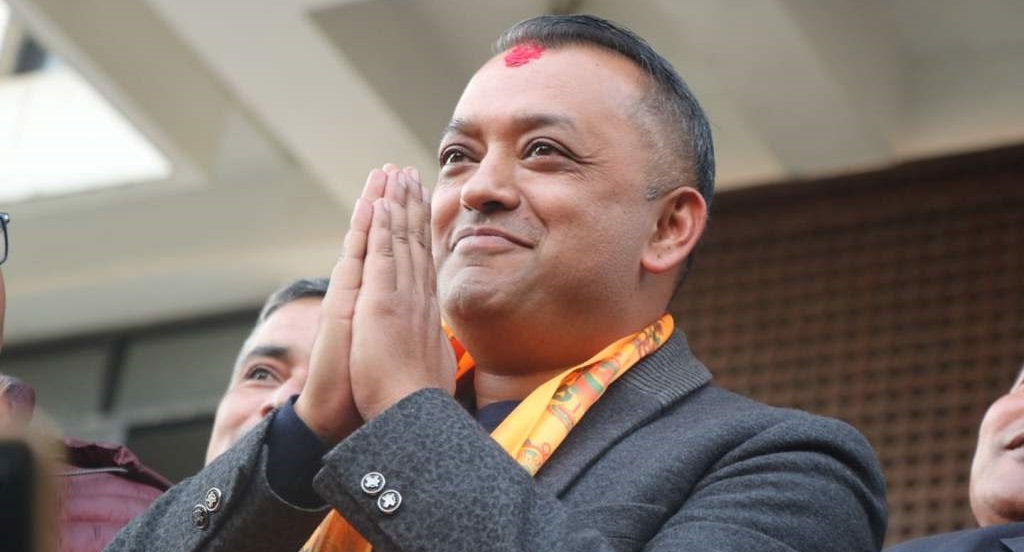
The election of Gagan Kumar Thapa as the President of the Nepali Congress (NC) on January 15, 2026, marks the most significant leadership transition in the party’s 75-year history. While Thapa’s supporters hail it as a “democratic rebirth,” the circumstances surrounding his victory—a formal split and the simultaneous expulsion of reformist leaders—suggest a turbulent road ahead for Nepal’s political landscape.

Thapa’s rise was not a sudden coup but the culmination of a decade-long “Transformation Movement.” Backed by 56% of the General Convention delegates, his faction argued that the party had become a “private company” under the veteran leadership of Sher Bahadur Deuba. The special convention at Bhrikutimandap was a clear response to the “Gen Z” protests of late 2025, where the Nepali public signaled an exhaustion with the status quo. By electing a 49-year-old president, the NC has finally attempted to bridge the widening gap between the aging political elite and a youthful electorate.
The political drama was matched by legal maneuvering. Even as Thapa was being declared President, the Deuba-led establishment at Sanepa issued a five-year suspension against Thapa and Vice President Bishwa Prakash Sharma. However, the Election Commission’s rapid recognition of the Thapa-led faction on January 16 underscores a crucial shift. By validating the special convention—citing the statutory right of 40% of delegates to demand such a gathering—the Commission has essentially prioritized the “will of the representatives” over the “will of the establishment.”
The newly formed Central Working Committee (CWC) reflects a deliberate move toward inclusivity and professional management. With Bishwa Prakash Sharma and Pushpa Bhusal as Vice Presidents and Pradeep Paudel as General Secretary, Thapa has surrounded himself with leaders who have long championed internal reform. Their first major decision—forming a manifesto drafting committee and an election mobilization committee—indicates that this “new” Congress is wasting no time in preparing for the general elections.
Despite the initial victory, the challenges are twofold:
-
Reconciliation vs. Rivalry: The Deuba faction has rejected the Election Commission’s ruling and vowed to fight it in the Supreme Court. A protracted legal battle could paralyze the party’s grassroots operations.
-
The Governance Model: Thapa has promised a governance model that limits any individual from serving as Prime Minister more than twice. Implementing this within a traditionally patronage-heavy political culture will be the ultimate test of his leadership.
January 15, 2026, will be remembered either as the day the Nepali Congress saved itself from irrelevance or the day it fractured beyond repair. For now, Gagan Thapa holds the “Tree” symbol and the official seal of the party. Whether he can turn this organizational victory into a national mandate remains to be seen. The eyes of the nation are no longer on the veterans at Sanepa, but on the reformists at Bhrikutimandap.