US-Iran Conflict Escalates as Fresh Military Strikes Threaten Regional Stability
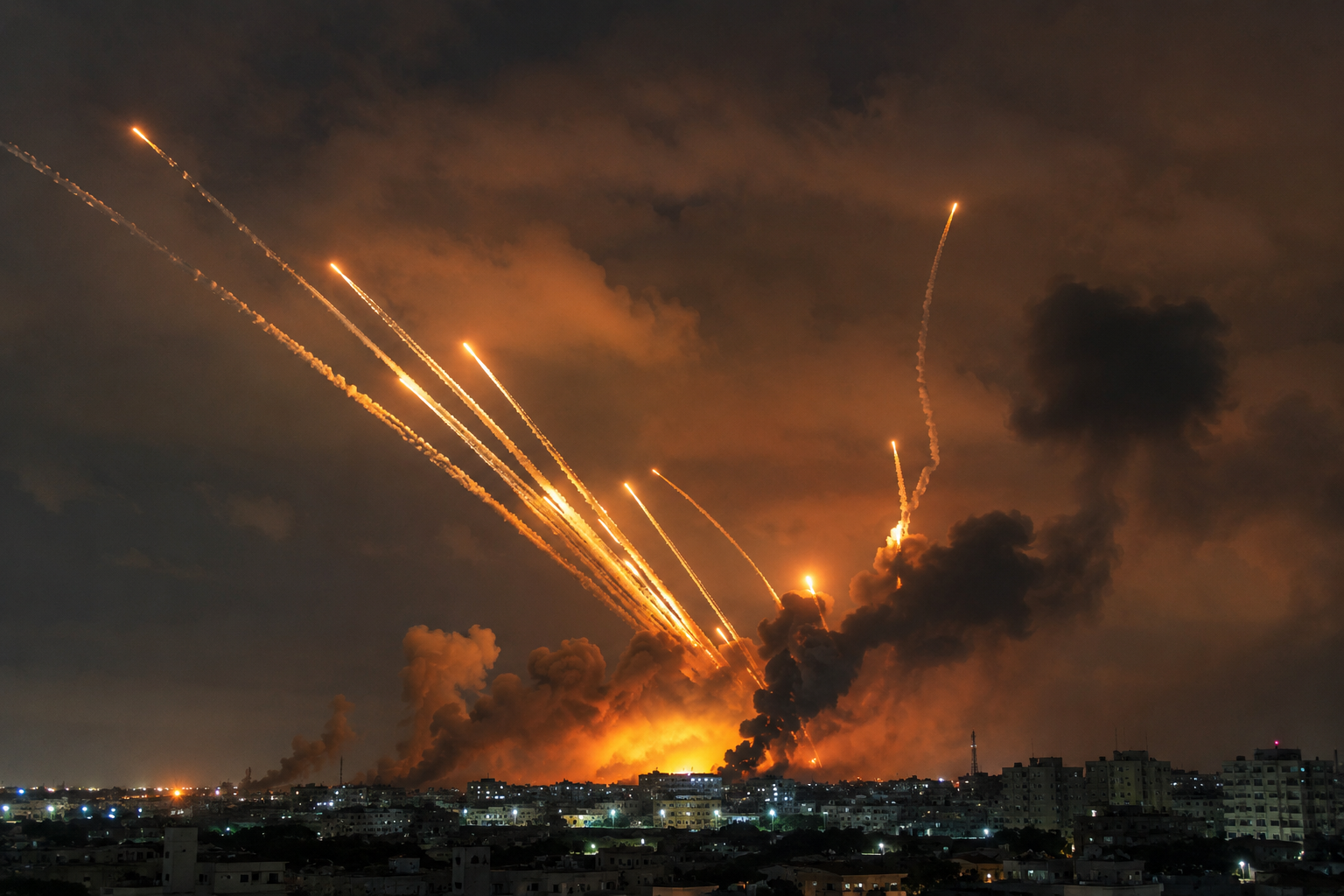
The fragile peace between the United States and Iran has come under renewed strain after a fresh exchange of military strikes reignited tensions across the Middle East, raising fears of a broader regional conflict. The latest escalation began after a commercial vessel transiting the strategically vital Strait of Hormuz was reportedly struck by an Iranian drone, prompting the United States to carry out retaliatory airstrikes against Iranian missile launch sites, drone facilities, and military infrastructure. Tehran responded within hours by launching missile and drone attacks targeting U.S. military installations in Bahrain and Kuwait, marking one of the most serious confrontations since both countries agreed to a temporary peace framework earlier this month.

Although early assessments suggest that casualties were limited and damage to military facilities was contained, the exchange has significantly undermined diplomatic efforts aimed at restoring stability in the region. Both Washington and Tehran have accused each other of violating the ceasefire arrangements, with U.S. officials describing their actions as necessary measures to protect international shipping and American forces, while Iranian leaders argued that the U.S. strikes represented a breach of the existing peace agreement and an act of aggression against its sovereignty.
The renewed hostilities have once again placed the Strait of Hormuz at the center of global attention. The narrow waterway carries nearly one-fifth of the world’s seaborne oil exports, and any disruption to maritime traffic has immediate implications for international energy markets. Shipping companies have increased security measures while insurance costs for vessels operating in the Gulf have risen sharply amid growing concerns over the safety of commercial navigation. Energy analysts warn that any prolonged military confrontation could threaten global oil supplies, drive fuel prices higher, and add further uncertainty to an already fragile global economy.
International leaders and regional allies have responded with urgent calls for restraint, urging both nations to return to diplomatic negotiations before the situation spirals into a wider conflict. Mediators involved in the recently negotiated peace memorandum continue to engage with both governments in an effort to preserve the agreement, but the latest military exchanges have cast serious doubt over its future. Security experts believe the coming days will be critical in determining whether diplomacy can prevent further escalation or whether the Middle East is heading toward another prolonged period of instability with far-reaching geopolitical and economic consequences.