
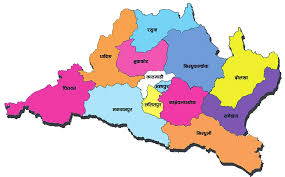
Bagmati Province Leads the Way in Economic Discipline
Complementing the federal government’s agenda, the Bagmati Province has taken a bold step toward leaner administration. In a cabinet meeting held this week, the provincial government officially decided to reduce the number of ministries from 14 to eight.

Why the Cut?
-
Cost Efficiency: The reduction is projected to save the state an estimated Rs 5 billion annually.
-
Administrative Streamlining: By consolidating roles, the province aims to minimize bureaucratic red tape and focus on effective service delivery.
-
Shifting Priorities: The restructuring is part of a broader “Organization and Management Survey” (ONM), intended to ensure that government bodies are organized based on functional needs rather than political convenience.
While there has been some debate regarding the consolidation of specific portfolios—such as the Ministry of Internal Affairs and Law—the move is largely seen as a necessary correction to reduce administrative bloating at the sub-national level.
The Road Ahead: What to Expect
The current administrative shift is a litmus test for the new government. While the public sentiment—largely driven by the youth-led political movements of 2025—strongly supports these reforms, the coming months will be critical.
The government faces the dual challenge of:
-
Ensuring Continuity: Maintaining the functionality of public services during the leadership transition.
-
Delivering Merit: Successfully replacing outgoing officials with professionals who can demonstrate measurable results, thereby proving that the reforms are truly aimed at competence rather than just replacing one set of political loyalists with another.
As Nepal navigates this transition, all eyes are on whether these institutional resets will truly lead to the “New Nepal” promised by the current administration or if the vacuum created will pose short-term governance hurdles.


