Supreme Court faces flood of petitions challenging PM appointment, house dissolution
The Supreme Court has once again become the epicenter of political debate as multiple petitions were filed challenging Prime Minister Sushila Karki’s appointment and the dissolution of the House of Representatives.

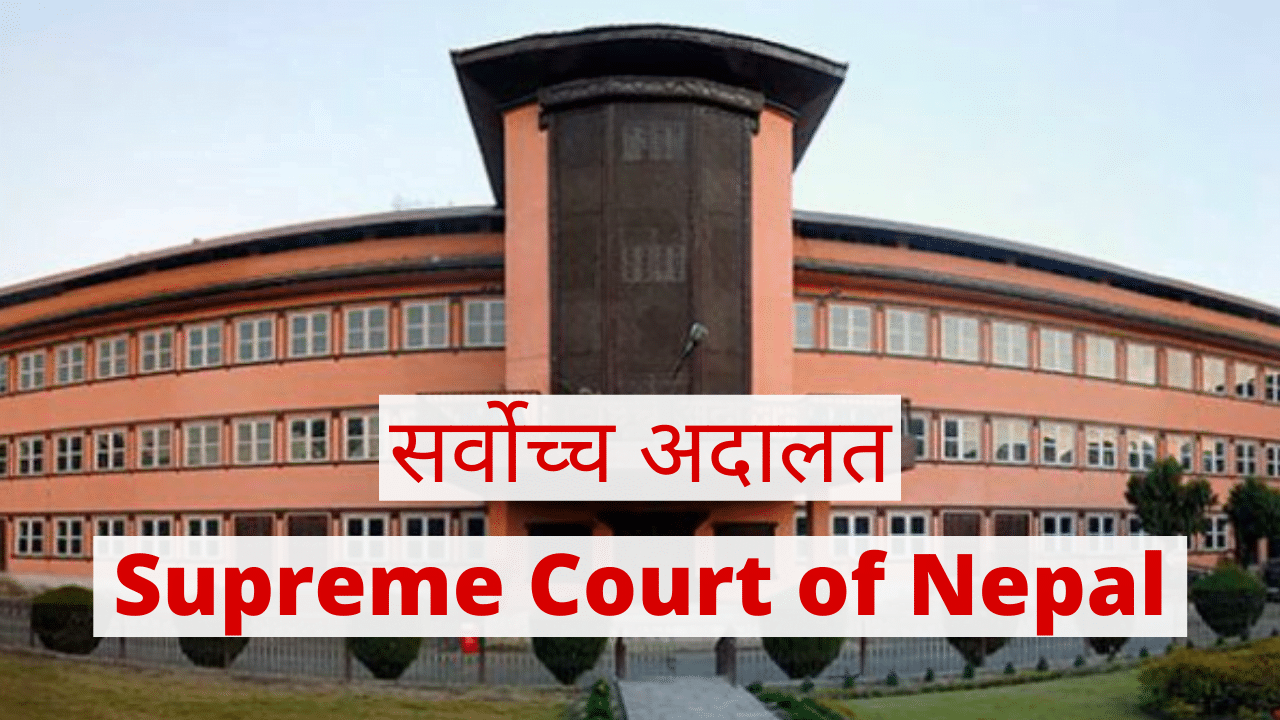
On Tuesday, just weeks after the Supreme Court premises were left deserted following the Bhadra 24 fire incident, ten writ petitions were registered in a single day, immediately thrusting the controversial political decisions into the judicial spotlight.
The petitions argue that the appointment of Karki by President Ram Chandra Paudel on Ashoj 27 and the subsequent dissolution of the House were unconstitutional.
The petitioners claim, “Sovereignty rests with the people of Nepal, but according to constitutional provisions and parliamentary procedures, the Prime Minister’s appointment without informing Parliament or securing a vote of confidence is invalid.”
The petitions also allege violations of constitutional and federal laws by the President and seek an order from the Supreme Court to annul all decisions and notifications issued following Karki’s appointment.
Additionally, the petitioners demand the reinstatement of the House of Representatives and the calling of a parliamentary session in accordance with the Constitution.
Significantly, the current wave of petitions highlights the active participation of Nepal’s youth in constitutional discourse.
Two law students from Kathmandu University, Bipana Sharma and Aayush Badal, both under 28 years old, have filed a writ challenging the appointment and House dissolution, signaling growing youth awareness and activism in political and constitutional processes.
Meanwhile, the role of former House Speaker Dev Raj Ghimire has drawn attention. Ghimire, whose tenure was cut short by the House dissolution, is reportedly considering approaching the Supreme Court himself.
However, he is deliberating whether to proceed politically ahead of upcoming elections or take the legal route.
On Wednesday, Ghimire met with former parliamentarians at his Singha Durbar office to seek consensus, emphasizing the importance of obtaining official party positions before filing any petitions.
According to his press coordinator Shekhar Adhikari, the Speaker instructed participants to bring formal party stances, after which he plans to consult legal experts, including Bar Association officials and former Attorneys General.
The Communist Party of Nepal (UML), which Ghimire represents, has already publicly backed the reinstatement of the House.
Legal advisors have suggested that given multiple petitions are already filed against the House dissolution, Ghimire may proceed without delay, adding weight to the ongoing judicial scrutiny.
The Supreme Court’s decisions on these petitions are expected to play a decisive role in shaping Nepal’s political trajectory. The interplay between judicial rulings and political maneuvers in the coming days could significantly influence the country’s constitutional and parliamentary processes.