
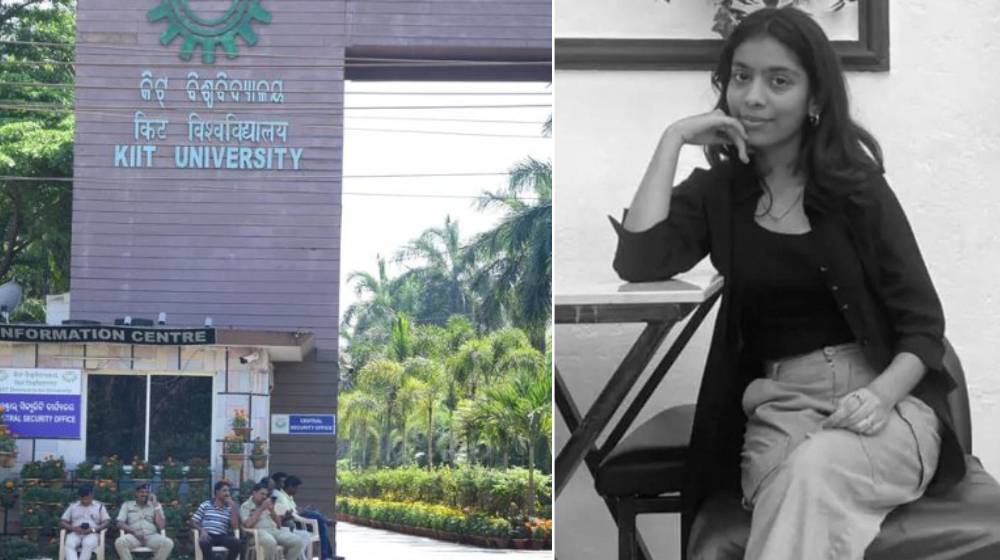
A Life Lost, A Cry for Justice: International Students at Risk?
Prakriti Lamsal, a 20-year-old Nepali student at the Kalinga Institute of Industrial Technology (KIIT) in Bhubaneswar, India, was found dead in her hostel room on February 16, 2025. The circumstances surrounding her death have sparked widespread concern and outrage, leading to protests, investigations, and diplomatic involvement.

Initial Reports and Allegations
Initial reports suggested that Lamsal’s death was a suicide. However, allegations of harassment and blackmail by a fellow student, Advik Srivastava, quickly surfaced. Leaked audio recordings purportedly captured Srivastava verbally abusing and threatening Lamsal, leading to accusations that his actions drove her to take her own life.
Investigation and Arrests
Following the outcry over Lamsal’s death, Indian authorities launched an investigation. Srivastava was arrested and charged with abetment to suicide. Additionally, several KIIT staff members were taken into custody for their alleged involvement in covering up the incident and mishandling the subsequent protests.
Student Protests and University Response
Lamsal’s death triggered widespread protests on the KIIT campus, with students demanding justice and accountability. Some Nepali students reported feeling unsafe and alleged that the university administration was unresponsive to their concerns. In response to the protests, KIIT issued a statement expressing condolences and pledging to cooperate with the investigation. The university also announced a scholarship in Lamsal’s name.
Reports emerged that KIIT had ordered all Nepali students to vacate their hostels, leaving many stranded and feeling unsafe.
This move was seen as insensitive and further fueled the anger among the student community.
Some students alleged that they were misbehaved with and even beaten by security personnel during the protests.
Many Nepali students expressed a sense of insecurity and fear following Lamsal’s death and the subsequent events. They raised concerns about the lack of support and protection from the university administration.
Diplomatic Involvement
The case has taken on a diplomatic dimension, with the Nepali government expressing concern over the safety and well-being of its students in India. Nepali Prime Minister KP Sharma Oli stated that his government was working to ensure a fair investigation and justice for Lamsal.
As of February 20, 2025, the investigation into Lamsal’s death is ongoing. The Odisha state government has formed a fact-finding committee to examine the circumstances surrounding the incident and the university’s response. The case has raised broader questions about student safety, mental health support, and the treatment of international students in Indian universities.
While KIIT has taken some steps to address the situation, uncertainty and fear persist among Nepali students. Many are awaiting the outcome of the investigation and want assurances of a safe and supportive environment on campus.
The tragic death of Prakriti Lamsal has sent shockwaves through both India and Nepal. The allegations of harassment and the subsequent protests and investigations highlight the need for greater attention to student well-being and safety in educational institutions. As the investigation progresses, it is crucial that justice is served and that measures are taken to prevent similar tragedies from occurring in the future


