
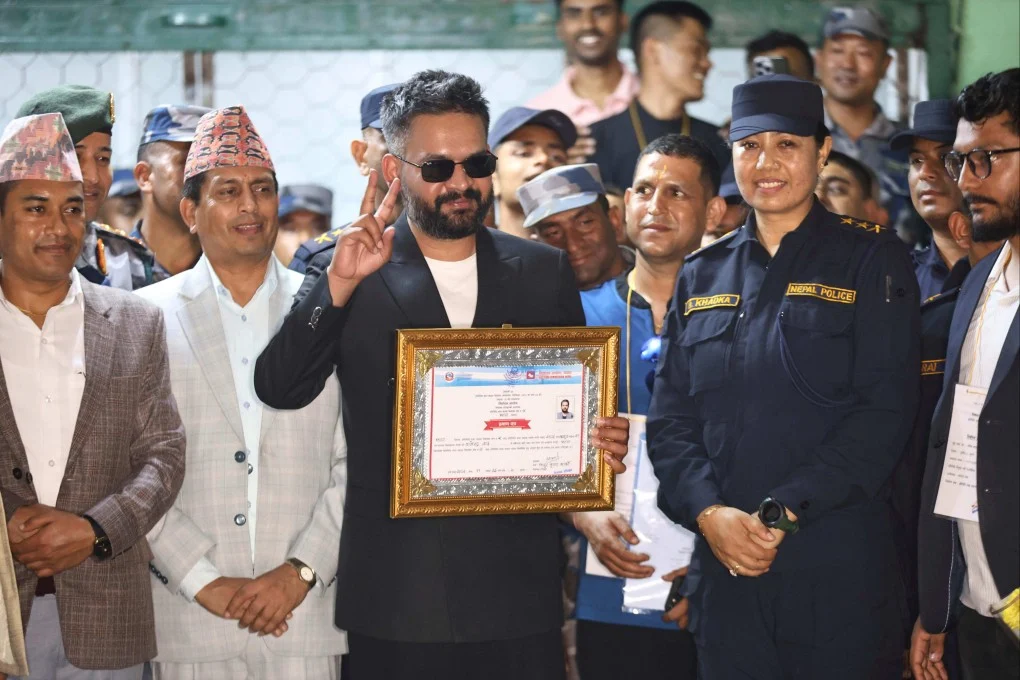
Political Earthquake in Nepal: Balen Shah Defeats Former PM Oli in Historic Election Upset
Nepal’s political landscape has been dramatically reshaped after a stunning election result that could mark the beginning of a new era in the country’s democracy. Independent reformist leader Balen Shah has defeated former Prime Minister K. P. Sharma Oli in a landmark parliamentary race, a result widely described by analysts as one of the most significant political upsets in modern Nepali history.

The victory signals a powerful shift in voter sentiment, particularly among young voters who have increasingly demanded accountability, transparency, and economic opportunity. For decades, Nepal’s politics has been dominated by a handful of major parties and long-established leaders. Shah’s breakthrough victory represents a direct challenge to that political tradition.
Shah first rose to national prominence in 2022 when he won the mayoral election in Kathmandu as an independent candidate. At the time, his victory stunned political observers and revealed deep public dissatisfaction with traditional party politics. His campaign focused on urban reform, governance transparency, and stronger enforcement of municipal regulations — themes that resonated strongly with younger voters and professionals.
His political message has since evolved into a broader national reform movement. Supporters portray Shah as a symbol of generational change, arguing that Nepal needs a new leadership style focused on innovation, economic development, and administrative efficiency. Many of his supporters are young voters who believe the country’s political system has failed to deliver opportunities at home, pushing thousands of Nepalis to seek employment abroad each year.
The defeat of Oli carries particular symbolic weight. A dominant figure in Nepali politics for years, Oli has served multiple terms as prime minister and remains one of the most influential leaders in the country’s political history. Losing a key electoral battle to a relatively new political figure underscores the scale of change unfolding within Nepal’s electorate.
While final government formation will depend on parliamentary numbers and coalition negotiations, Shah’s victory has already reshaped the political conversation across the nation. Analysts say his success reflects broader dissatisfaction with the country’s governance model and growing public demand for new leadership.
However, the road ahead will not be simple. Nepal faces a range of economic and political challenges, including unemployment, migration pressures, development gaps, and the complexities of managing relations with regional powers. If Shah ultimately leads the next government, he will face the difficult task of turning political momentum into effective national governance.
For many voters, however, the moment represents a powerful symbol of democratic change. As Nepal awaits the final confirmation of results, the rise of Balen Shah stands as a reminder that the country’s political future may be entering a new and unpredictable chapter.


